Last updated: August 16, 2026
Buying a half cow sounds simple until you start asking what you actually get, and that is where most first-timers get stuck. You are not buying a neat box of steaks; you are buying a share of an entire animal, cut according to choices you make ahead of time, and the amount of freezer space and planning involved catches a lot of people off guard.
This guide walks through what “half a cow” really means in terms of cuts and weight, how much freezer space to plan for, and the decisions you need to make with your butcher before the animal is even processed.
Quick Answer
What do you get when you buy a half cow?
- A half cow gets you a proportional share of every cut on the animal, not a custom selection, so you end up with roasts and ground beef alongside steaks.
- Expect somewhere in the range of 6 to 9 cubic feet of freezer space needed for the packaged meat from a half beef.
- You will fill out a cut sheet with your butcher ahead of time, choosing steak thickness, roast sizes, and how much goes to ground beef.
- A quarter cow is the smaller, more freezer-friendly version of the same idea if a half is more than your household can use.
Half Cow vs Quarter Cow at a Glance
Deciding between a half and a quarter often comes down to freezer space and household size. This table compares the two.
| Option | Freezer space needed | Best for |
|---|---|---|
| Quarter cow | Roughly 3 to 5 cubic feet | Smaller households or a first-time trial before committing to a half |
| Half cow | Roughly 6 to 9 cubic feet | Households that go through beef regularly and want a full year’s variety of cuts |
| Whole cow | Roughly 12 to 18 cubic feet | Large households, or splitting with another family |
What “Half a Cow” Actually Means
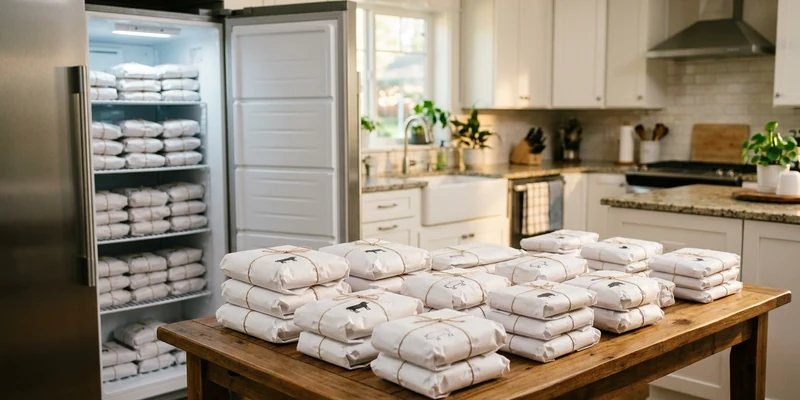
When you buy a half cow, you are buying half of one animal’s total cuts, proportionally, not a curated selection of your favorite steaks. That means your order includes chuck roasts, ground beef, brisket, ribs, sirloin, and everything else that comes off a carcass, in roughly the same ratio it naturally occurs. First-timers sometimes expect a box weighted toward premium cuts and are surprised that a large share of any half beef ends up as ground beef and roasts, simply because that is how a cow is actually built.
Hanging weight, the weight of the carcass after slaughter but before cutting and trimming, is the number most sellers quote, and it is meaningfully higher than the packaged weight you actually take home. Trim and bone loss during cutting typically bring the usable packaged weight down to a notable percentage less than the hanging weight, so a half with a given hanging weight yields a smaller number of pounds once it is boxed and wrapped.
How Much Freezer Space You Actually Need
A commonly cited rule of thumb is roughly one cubic foot of freezer space for every 35 to 40 pounds of cut and wrapped meat. Using that guideline, a half beef, which typically yields somewhere around 160 to 220 pounds of packaged meat depending on the animal and cutting choices, needs roughly 6 to 9 cubic feet of dedicated freezer space. That is more than most refrigerator freezer compartments can handle, which is why most half and whole cow buyers end up adding a dedicated chest or upright freezer rather than trying to fit everything into an existing kitchen freezer.
Measure your actual available freezer space before you order, not after the meat arrives. Running out of room mid-delivery is a common, avoidable problem, and it is far easier to size up a freezer purchase in advance than to scramble for backup freezer space once a truck full of wrapped beef is sitting in your driveway.
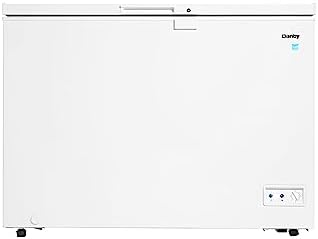
If you are buying the freezer for this order rather than working with what you already have, our chest freezer guide works through the capacity question in cubic feet against how much beef actually has to fit.
The Cut Sheet: Decisions You’ll Make Ahead of Time
Before the animal is processed, your butcher will walk you through a cut sheet, a list of choices about how you want each section of the carcass turned into specific cuts. This typically covers steak thickness, whether roasts are bone-in or boneless, how many pounds go toward ground beef versus stew meat, and whether you want specialty items like short ribs or organ meats included. Our beef cutting chart covers where each of these cuts comes from on the animal, which makes the cut sheet conversation much easier to follow.
Take the cut sheet seriously rather than rushing through it. Decisions you make here determine what shows up in your freezer for the next several months to a year, and changes after processing has started are usually not possible.
How a Half Cow Compares to Buying at the Grocery Store
The appeal of buying a half cow usually isn’t about any single cut being better than what a store sells; it’s about knowing where the whole animal came from and having a full year of variety already in the freezer instead of planning trip by trip. Many buyers source from a specific local farm or small producer, which gives a level of traceability that a shrink-wrapped grocery package usually doesn’t offer, and lets you ask direct questions about how the animal was raised and finished.
The tradeoff is commitment. A half cow order locks you into a full range of cuts, including plenty of ground beef, roasts, and less-familiar pieces like shank or organ meats if you choose to include them, rather than letting you pick and choose week to week the way a grocery trip does. For some households that variety is the whole appeal; for others it takes an adjustment period to start cooking cuts they wouldn’t normally reach for.
Storing and Rotating Bulk Beef
Once the meat arrives, proper wrapping and organization matter more than they do for a weekly grocery trip, simply because of the volume involved. Label every package with the cut and the date before it goes into the freezer, and organize by cut type or by expected use so you are not digging through the entire freezer to find a specific roast months later. Our guide on what is freezer burn covers the packaging habits that keep a large freezer order in good shape over the months you will be working through it.
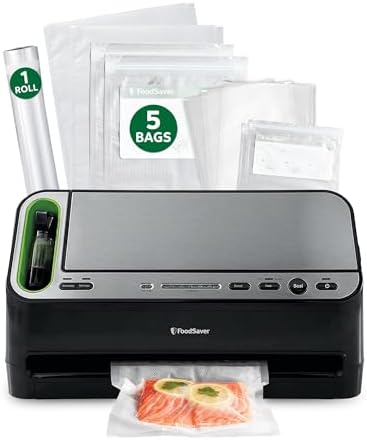
Packaging is where a bulk order is won or lost. Most processors wrap in paper by default, and repacking the cuts you will not reach for months with a vacuum sealer is the difference between beef that still tastes right in month ten and beef you end up trimming.
Common Mistakes When Buying a Half Cow
- Not measuring freezer space before ordering. A half cow needs meaningfully more room than most people estimate on first guess.
- Expecting mostly steaks. A proportional share of the whole animal includes a substantial amount of ground beef and roasts by design.
- Rushing through the cut sheet. These choices lock in for the entire order and are difficult or impossible to change afterward.
- Confusing hanging weight with the amount of meat you’ll actually take home. Packaged weight is meaningfully lower after trim and bone loss.
- Skipping labels on packages. A freezer full of unlabeled white paper packages becomes a guessing game within a few months.
Frequently Asked Questions
What do you get when you buy a half cow? A proportional share of every cut from one animal, including steaks, roasts, ribs, brisket, and a substantial amount of ground beef, based on choices you make on a cut sheet beforehand.
How much freezer space do you need for a half cow? Roughly 6 to 9 cubic feet, based on a common rule of thumb of about one cubic foot per 35 to 40 pounds of packaged meat.
What is the difference between buying a half cow and buying a quarter cow? A quarter cow is a smaller share of the same animal, needing roughly 3 to 5 cubic feet of freezer space, and suits smaller households or first-time bulk buyers.
What is a cut sheet? It is the list of choices you make with your butcher before processing, covering steak thickness, roast style, and how much meat becomes ground beef versus other cuts.
What is hanging weight versus packaged weight? Hanging weight is the carcass weight before cutting and trimming. Packaged weight, what you actually take home, is lower after bone and trim loss during processing.
Do I need a separate freezer to buy a half cow? Most households do, since the volume of meat typically exceeds what a standard refrigerator freezer compartment can hold.
Is buying a half cow worth it compared to the grocery store? That depends on what you value most. It offers traceability, a known source, and a full year of variety already on hand, but it also means committing to the whole range of cuts an animal produces rather than picking only what you want week to week.
The Bottom Line
Buying a half cow means committing to a proportional share of an entire animal, a real cut sheet decision process, and roughly 6 to 9 cubic feet of dedicated freezer space. Measure your freezer capacity before ordering, take the cut sheet seriously, and go with a quarter cow instead if a half is more volume and space than your household realistically needs.
Compare half cow vs quarter cow