Last updated: August 16, 2026
Mixing up cure 1 vs cure 2 is one of the easier mistakes to make when you are new to curing meat, and it is also one of the mistakes worth taking seriously, since these two pink curing salts are built for different timelines and are not interchangeable. Getting the wrong one, or the wrong amount, is a genuine food safety issue, not just a recipe detail.
This guide explains what separates cure #1 from cure #2, which projects each one is actually meant for, and why the ratio on the package matters more than any home cook’s rounded-off guess.
Quick Answer
What is the difference between cure #1 and cure #2?
- Cure #1 (Prague Powder #1) contains sodium nitrite and salt, and is used for products that will be cooked, smoked, or refrigerated relatively soon, like bacon, ham, and fresh sausage.
- Cure #2 (Prague Powder #2) adds sodium nitrate to that same base, meant for products that cure for weeks or months without cooking, like dry salami and country ham, since the nitrate slowly converts to nitrite over that long cure.
- Always follow the ratio printed on your specific product’s packaging and use a kitchen scale, since manufacturers can vary slightly in concentration.
- Never substitute one for the other, and never use either one in place of, or mixed up with, plain table salt.
Cure #1 vs Cure #2 at a Glance
This table lays out the core differences most home curers actually need to know.
| Detail | Cure #1 (Prague Powder #1) | Cure #2 (Prague Powder #2) |
|---|---|---|
| Composition | About 6.25% sodium nitrite, the rest salt | Sodium nitrite plus added sodium nitrate, the rest salt |
| Built for | Products cooked, smoked, or eaten relatively soon | Products that dry-cure for weeks to months without cooking |
| Typical uses | Bacon, ham, fresh sausage, hot dogs, jerky that uses a cure | Dry salami, pepperoni, country ham, other long dry-cured items |
| Why the extra nitrate matters | Not applicable; no nitrate included | Nitrate slowly converts to nitrite over a long cure, extending protection through months of drying |
| Common ratio starting point | Often around 1 level teaspoon per 5 lbs of meat | Varies by product; always follow package instructions |
Why Nitrite Curing Exists in the First Place
Sodium nitrite is not just a color and flavor additive, even though it does affect both. Its main job is inhibiting the growth of Clostridium botulinum, the bacterium behind botulism, in cured meat products, particularly in low-oxygen environments like sausage casings or vacuum-sealed cured products where that bacterium thrives. This is why curing salt use is treated as a food safety step, not a seasoning choice, and why getting the type and amount right matters more than it might seem from the outside.
USDA regulatory limits cap sodium nitrite at 156 ppm ingoing for many cured products, and the common cure #1 usage rate of roughly one level teaspoon per 5 pounds of meat is built around landing close to that regulatory ceiling, not an arbitrary flavor preference.
Cure #1: The Short-Cure, Cook-or-Refrigerate Salt
Cure #1, also sold as Prague Powder #1 or Instacure #1, is a blend of roughly 6.25% sodium nitrite with the remainder salt. It is the standard choice for products you plan to cook, smoke, or keep refrigerated relatively soon after curing, which covers most home sausage making, bacon, ham, and cured jerky projects. The nitrite goes to work quickly and does not need weeks to build up protection, which matches the shorter timeline these products are usually on.
If you are curing venison sausage or bacon from a recent hunt, cure #1 is almost always the salt in play, not cure #2, since most home venison projects are cooked or smoked rather than dry-cured for months. Our guide on deer processing after the hunt covers where curing fits into that broader process.
Cure #2: The Long-Cure Salt
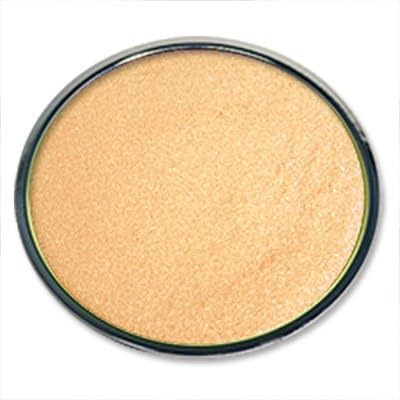
Cure #2, or Prague Powder #2, starts from the same sodium nitrite and salt base as cure #1 but adds sodium nitrate. That nitrate is the entire point: certain bacteria naturally present in the curing process slowly convert nitrate into nitrite over the course of weeks or months, which means a product still has active protection late into a long dry cure, well after the original nitrite would have broken down on its own. This is exactly why cure #2 is reserved for products like dry salami, pepperoni, and country ham, items that spend an extended period drying and aging without ever being cooked.
Using cure #1 on a long dry-cured product would leave it without that slow-release protection partway through the cure, and using cure #2 on a quick-cooked sausage adds nitrate the product has no time to actually use. Matching the cure to the timeline is not a minor technicality; it is the entire reason two different products exist.
Getting the Ratio Right
The ratio printed on your specific product’s packaging is the one to follow, since manufacturers can vary slightly in exact concentration and their instructions are calibrated to their own product. A commonly cited starting point for cure #1 is around one level teaspoon per 5 pounds of meat, which is designed to land close to the USDA’s regulatory ceiling for ingoing nitrite, but “commonly cited” is not the same as “guaranteed correct for the product in your hand,” so check the label every time rather than working from memory.
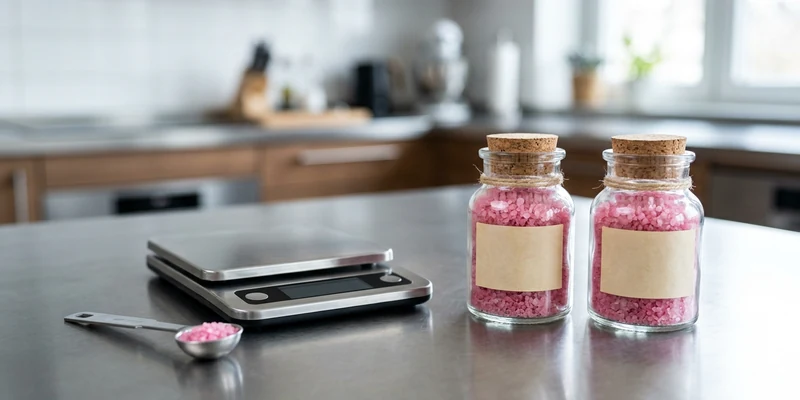
A kitchen scale, not measuring spoons alone, is worth using for anything beyond casual small batches, since weight is more precise than volume for a substance where getting the amount wrong in either direction is a real problem. Too little defeats the purpose of curing; too much pushes past safe nitrite levels.

Cured sausage adds a second piece of equipment to the ratio question, since a stuffer that packs casings evenly gives the cure a consistent thickness to work through. Our sausage stuffer guide covers the capacity side of that.
Handling and Storing Curing Salt Safely
Curing salt is dyed pink specifically so it cannot be mistaken for table salt on sight, and that distinction exists because the two are not interchangeable in either direction: using curing salt as a general seasoning would deliver far more nitrite than any dish should have, and using plain salt in place of curing salt removes the pathogen protection curing is meant to provide. Keep it in its original, clearly labeled container, stored away from where regular salt is kept, and out of reach of children and pets, since it is genuinely more concentrated than anything else in a typical spice cabinet.
Curing salt stores well in a cool, dry place for an extended period, but it is still worth checking your specific product’s packaging for any shelf life guidance, and discarding anything that has clumped badly, absorbed moisture, or lost its labeling over time. When in doubt about a container’s age or contents, replacing it is a small cost compared to the risk of misjudging a dose.
Cure #1 products are almost always finished in a smoker rather than an oven, and holding a low temperature matters as much as the cure itself. The smoker comparison works through which types hold that temperature reliably.
Common Mistakes With Curing Salts
- Using cure #2 for a quick-cooked product. The slow-release nitrate has no purpose in a sausage that will be cooked within days, and it complicates dosing for no benefit.
- Using cure #1 for a long dry cure. Without the nitrate’s slow conversion, protection can fade before a months-long dry cure is finished.
- Eyeballing the amount instead of weighing it. Curing salt is potent in small quantities, and volume measurements are less precise than a scale.
- Storing curing salt near regular salt. The pink dye exists specifically to prevent confusion with table salt, but similar-looking containers still cause mix-ups in home kitchens.
- Assuming a ratio you read once applies to every brand. Always check the specific product’s packaging rather than relying on a number from a different container or an old memory.
Frequently Asked Questions
What is the difference between cure #1 and cure #2? Cure #1 contains sodium nitrite and salt for short-cure products that are cooked or refrigerated soon. Cure #2 adds sodium nitrate for long dry-cured products that age for weeks or months without cooking.
What is prague powder 1 vs 2 actually used for? Prague Powder #1 suits bacon, ham, fresh sausage, and similar cooked or smoked products. Prague Powder #2 suits dry salami, pepperoni, and country ham, products that cure for an extended period without cooking.
Why is curing salt pink? The pink dye distinguishes it from plain table salt, since the two look similar otherwise and mixing them up is a genuine safety concern given how different their use rates are.
How much cure #1 do you use per pound of meat? A commonly cited starting point is around one level teaspoon per 5 pounds of meat, but always confirm the exact ratio on your specific product’s packaging rather than relying on a general figure.
Can you use cure #2 instead of cure #1? No. They are built for different curing timelines, and substituting one for the other either leaves a long cure under-protected or adds unnecessary nitrate to a quick-cooked product.
Why does sodium nitrite matter for food safety? It inhibits the growth of Clostridium botulinum, the bacterium responsible for botulism, which is a particular risk in the low-oxygen environment inside sausage casings and cured products.
How should curing salt be stored? In its original, clearly labeled container, away from where regular table salt is kept and out of reach of children and pets, since it is far more concentrated than anything else typically found in a home spice cabinet.
The Bottom Line
Cure #1 and cure #2 are built for different timelines, not different preferences: cure #1 for products cooked or refrigerated soon, cure #2 for long dry cures that need nitrate’s slow conversion to nitrite. Match the cure to the project, weigh it rather than eyeball it, and always follow the ratio on your specific product’s packaging.
See cure #1 vs cure #2 at a glance