Last updated: August 16, 2026
Learning how to make summer sausage at home means getting three things right that a store-bought chub hides from view: a workable fat to meat ratio, the right curing salt, and a cook that actually reaches a safe internal temperature. Skip any one of those and the sausage either falls apart on the smoker or, worse, never becomes food-safe in the first place.
This guide covers a summer sausage recipe framework rather than exact measurements, since fat ratio and seasoning are flexible, but the curing and temperature steps are not. It also covers where venison summer sausage differs from an all-beef batch.
Quick Answer
How do you make summer sausage at home?
- Grind meat with roughly 20 to 30 percent fat, mix in cure #1 and seasoning, stuff into casings, then either ferment with a starter culture or go straight to smoking, depending on the recipe.
- Cure #1 is not optional; it’s what protects the sausage against Clostridium botulinum while it sits in the low-oxygen environment inside the casing.
- Cook or smoke the sausage until it reaches an internal temperature of 160°F, the point most extension and USDA guidance treats as the safe stopping point for home-cooked summer sausage.
- Venison summer sausage needs added fat, since deer meat is too lean on its own to hold moisture and texture through the smoking process.
Summer Sausage at a Glance
This table lays out the core stages most home summer sausage recipes follow, in order.
| Stage | What happens | Why it matters |
|---|---|---|
| Grind and mix | Grind meat with added fat, mix in cure #1 and seasoning | Fat ratio affects texture; cure #1 provides the safety margin |
| Stuff | Pack the mix into fibrous or natural casings | Sets the sausage’s shape and the low-oxygen environment cure #1 is built for |
| Ferment or rest | Either ferment with a starter culture or refrigerate briefly before cooking | Fermentation builds tang and drops pH; a direct-heat batch skips this |
| Smoke or cook | Bring to a safe internal temperature, often in a smoker or oven | The step that actually makes the sausage safe to eat |
| Cool and store | Chill quickly, then refrigerate or freeze | Limits bacterial growth once the sausage is out of the smoker |
Choosing Your Meat and Fat Ratio
Summer sausage needs enough fat to stay moist and sliceable through a long smoke, and most recipes land somewhere around 20 to 30 percent fat by weight. Straight lean beef or venison, ground on its own, tends to come out dry and crumbly once cooked to a safe temperature, since there’s nothing left to carry moisture through that process.
Beef chuck or a beef and pork blend both work well because they naturally carry usable fat, while pure venison needs pork fat or beef fat added deliberately during grinding. Our meat grinder guide covers grinding fat and lean meat together evenly, which matters more here than in a straight burger grind.
Why Cure #1 Belongs in Summer Sausage
Cure #1, also called Prague Powder #1, is what actually protects summer sausage against Clostridium botulinum, the bacterium behind botulism, while the sausage sits inside a sealed casing during fermentation, smoking, and storage. That low-oxygen, low-acid environment inside a casing is exactly the kind of setting botulism spores can thrive in without a curing agent working against them, which is why cure #1 is a food safety ingredient here, not a flavor or color additive.
Our cure #1 vs cure #2 guide covers why summer sausage uses cure #1 rather than cure #2, since most home summer sausage batches are cooked or smoked within days rather than dry-cured for months, and cure #1 is built for that shorter timeline. Always follow the ratio printed on your specific curing salt’s packaging and weigh it on a kitchen scale rather than measuring by volume.
Fermented vs Direct-Heat Summer Sausage
Traditional fermented summer sausage uses a bacterial starter culture that produces lactic acid as it works, dropping the sausage’s pH and building the tangy flavor summer sausage is known for, before the batch ever reaches the smoker. This is the more involved route, since it requires holding the sausage at a controlled, warm fermentation temperature for a set period, and it rewards a precise process more than it forgives shortcuts.
A more common home approach skips fermentation entirely and goes straight from stuffing to smoking, relying on cure #1, refrigeration, and the final cook temperature for safety rather than a fermentation-driven pH drop. This direct-heat method is more forgiving for a first attempt and is what most home hunters and backyard processors use, even though it produces a milder tang than a true fermented batch.
Smoking and Cooking to a Safe Internal Temperature
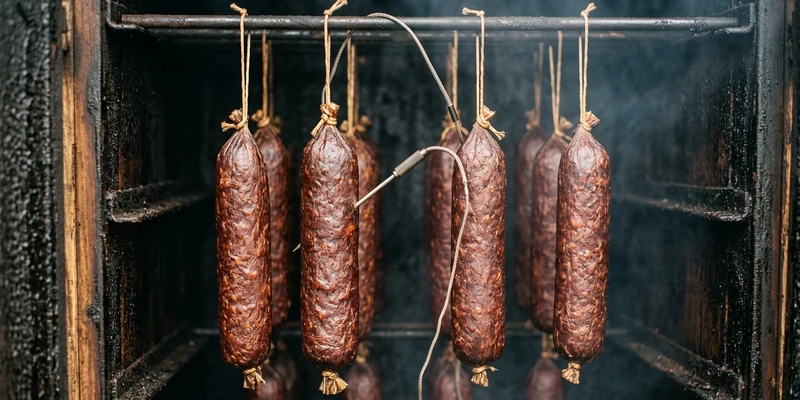
Extension guidance on summer sausage points to an internal temperature of 160°F as the safe stopping point for a home-cooked, direct-heat batch, reached gradually in a smoker or a low oven around 200°F over several hours rather than blasted with high heat, which would render out fat and crack the casing. A reliable meat thermometer inserted into the thickest part of the log is the only real way to confirm you’ve hit that number, since color and firmness alone are not reliable indicators.
Traditionally fermented summer sausage, made under controlled pH and temperature conditions by an experienced processor, sometimes finishes at a lower cooked temperature because the fermentation step itself has already done part of the safety work. For a home batch without that level of process control, cooking to 160°F is the more conservative and dependable target.

Venison Summer Sausage Notes
Venison summer sausage follows the same basic process as a beef version, but deer meat’s low natural fat content makes added fat non-negotiable rather than optional. Pork fat or beef fat, ground in at roughly the same 20 to 30 percent ratio used for beef batches, keeps venison summer sausage from drying out and crumbling once it reaches a safe internal temperature.
If you’re working from a fresh harvest, our guide on deer processing after the hunt covers the cooling and initial handling steps that come before any of this, since meat temperature and handling in the first hours after a hunt affect everything downstream, including how the meat behaves once it’s ground for sausage.
Common Mistakes to Avoid
- Skipping cure #1 or substituting plain salt. This removes the protection against botulism that a sealed casing environment specifically needs.
- Using straight lean meat with no added fat. The sausage dries out and crumbles once cooked to a safe temperature.
- Guessing at internal temperature instead of checking it. Color and firmness are not reliable substitutes for a thermometer reading.
- Blasting the smoker with high heat to save time. This renders fat too quickly and can crack the casing before the center is safely cooked.
- Mixing up cure #1 and cure #2. They’re built for different curing timelines and are not interchangeable in either direction.
Frequently Asked Questions
What temperature do you cook summer sausage to? Extension guidance points to an internal temperature of 160°F for a home-cooked, direct-heat batch, checked with a meat thermometer at the thickest part of the log.
Do you need cure #1 for summer sausage? Yes. Cure #1 protects against Clostridium botulinum in the low-oxygen environment inside the casing, and it is a food safety step, not an optional flavor ingredient.
What is the difference between fermented and unfermented summer sausage? Fermented versions use a starter culture to drop pH and build tang before cooking. Unfermented, direct-heat versions skip that step and rely on cure #1, refrigeration, and the final cook temperature for safety.
What fat ratio is best for summer sausage? Most recipes use roughly 20 to 30 percent fat by weight. Straight lean meat tends to dry out and crumble once cooked to a safe temperature.
Can you make summer sausage with venison? Yes, and it’s a popular way to use lean cuts from a deer harvest, but venison needs added pork or beef fat, since it doesn’t carry enough fat on its own.
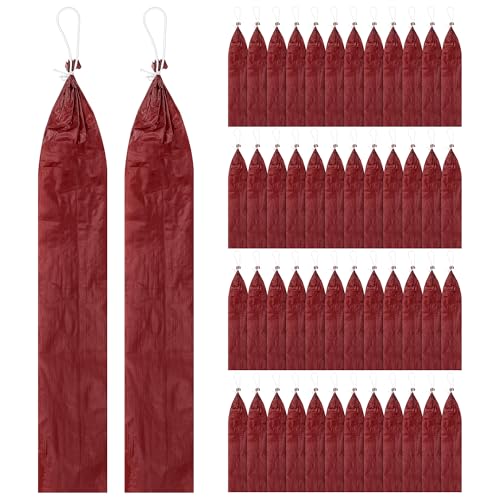
What kind of casing does summer sausage use? Fibrous casings are the most common choice for home batches, sized to the diameter of a typical summer sausage log, though natural beef casings work for some recipes too.
Is summer sausage seasoning the same as regular sausage seasoning? Summer sausage seasoning blends typically lean toward mustard seed, black pepper, and garlic, often paired with a starter culture if the recipe is fermented, which sets it apart from a fresh breakfast or Italian sausage blend.
The Bottom Line
Summer sausage comes down to enough fat for texture, cure #1 for safety inside the casing, and a cook that reaches 160°F internally before it’s done. Fermentation adds tang for those willing to manage a controlled process, but a direct-heat batch is a reliable, more forgiving place to start, especially for a first venison summer sausage.