Last updated: August 16, 2026
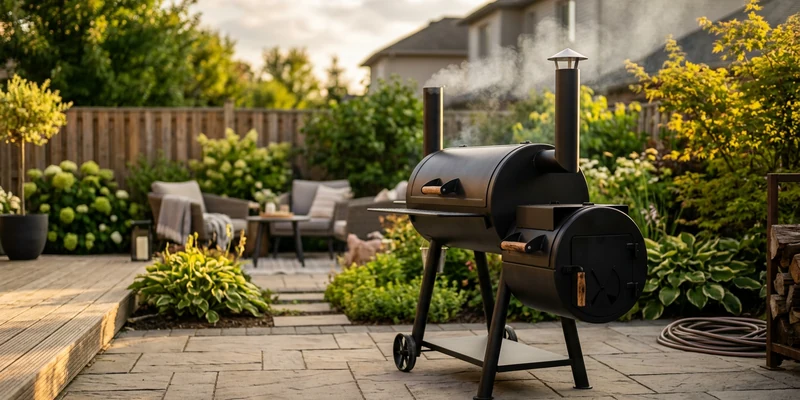
A smoker turns cuts that are tough or plain on their own, shoulders, briskets, sausages, jerky, into some of the most rewarding results in home meat processing. Unlike grilling, smoking is a low-and-slow process built around holding a steady temperature for hours, which means the equipment you choose has more influence on your results than technique alone.
This guide compares the main smoker styles, what to check before buying one, and how a meat smoker fits into the rest of a home processing setup, from thermometer to freezer.
This article contains affiliate links. If you buy through them, we may earn a commission at no extra cost to you.
Quick Answer
Which smoker should you buy?
- For hands-off convenience and consistent temperature, a pellet smoker is the easiest style to learn on and the most forgiving for a beginner.
- For year-round outdoor use with the least fuss, an electric smoker holds a set temperature with minimal attention, though it produces a milder smoke flavor than wood or charcoal.
- For traditionalists who want to manage fire directly, an offset smoker gives the most control and the deepest smoke flavor, at the cost of a real learning curve.
Note: whichever style you choose, a separate meat thermometer is not optional. Built-in smoker gauges measure chamber air, not the meat itself.
What to Check Before You Buy
Smoker shopping comes down to fuel type, temperature control, and how much hands-on management you actually want to do.
| What to check | Why it matters | What to look for |
|---|---|---|
| Fuel type | Pellet, electric, charcoal, and wood each trade off flavor against convenience | Match fuel type to how much hands-on time you actually want to spend |
| Temperature control | Long cooks need a stable temperature for consistent, safe results | A digital controller for pellet and electric models, or a well-sealed firebox for offset units |
| Cooking capacity | Undersized smokers limit how much you can process in one session | The manufacturer’s listed cooking area, sized to your typical batch |
| Build quality | Thin metal loses heat fast and struggles in cold or windy weather | Manufacturer specifications on gauge thickness and seal quality |
| Included probe | Some smokers ship with a built-in meat probe, others do not | Whether a probe is included, and whether it is accurate enough to trust on its own |
| Portability | Not every smoker needs to be moved, but some households need one that does | Wheels, weight, and overall footprint if the smoker will change locations |
Pellet, Electric, Offset, and Charcoal: Choosing a Style
A pellet smoker feeds compressed wood pellets into a firepot automatically, controlled by a digital thermostat, which makes it the closest thing to set-and-forget smoking available. It is the style most new smokers gravitate toward because it removes the guesswork around fire management while still producing real wood smoke flavor.
An electric smoker goes a step further on convenience, using a heating element instead of any live fire, which makes temperature control simple but produces a noticeably milder smoke flavor unless you add a dedicated smoke tube or chip tray. An offset smoker sits at the other end of the spectrum: a firebox attached to the side of the cooking chamber, managed entirely by hand with wood or charcoal. It demands real attention and practice, but it also produces the deep, traditional smoke flavor that many experienced processors consider unmatched. A charcoal smoker splits the difference, offering more hands-on control than pellet or electric without the full complexity of managing an offset firebox.
Why Consistent Temperature Matters for Safety, Not Just Flavor
Smoking sits meat in the temperature danger zone longer than most cooking methods, which is exactly why a stable smoker and a separate meat thermometer both matter. USDA guidance calls for whole cuts of beef, pork, veal, and lamb to reach 145 degrees Fahrenheit internally, ground meats to reach 160 degrees Fahrenheit, and poultry to reach 165 degrees Fahrenheit, regardless of how long the smoke itself has run.
A smoker’s built-in temperature gauge measures the air inside the chamber, not the meat, and chamber gauges are notoriously imprecise on cheaper models. Treat the smoker’s dial as a rough guide for chamber conditions and rely on a dedicated meat thermometer for the number that actually determines when the meat is safe and done. Our full meat thermometer guide covers the styles built for long smoking sessions.
Our Top Picks at a Glance
How we chose: we compared widely available smokers on temperature stability, build quality, and how consistently owners report results holding up over repeated cooks. Selections lean on manufacturer specifications and recurring themes in customer feedback rather than any hands-on trial of our own.
🏆 Best Overall
A pellet smoker with digital temperature control and a mid-size cooking area, the easiest entry point for a home meat processor who wants consistent results without babysitting a fire.

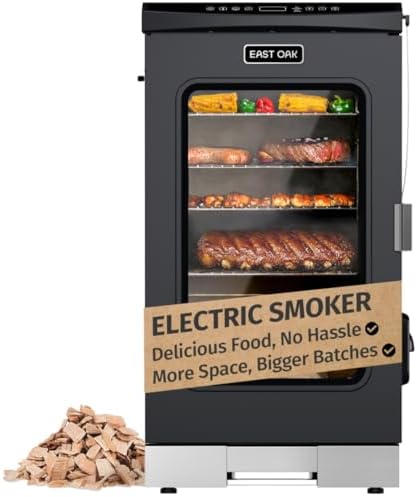
🔌 Best Electric
A fully electric smoker built for hands-off, set-and-forget operation, ideal for anyone who wants to start a long cook and walk away.
💛 Best Value
An affordable charcoal smoker that covers the basics for someone who wants to learn hands-on fire management without a large upfront investment.

Picks by Situation: Traditionalists and Serious Volume
Two more situations call for a specific style rather than the all-purpose picks above.
🪵 Best Offset
A heavy-gauge offset smoker for processors who want maximum control over fire and smoke, and are willing to put in the practice time to run it well.
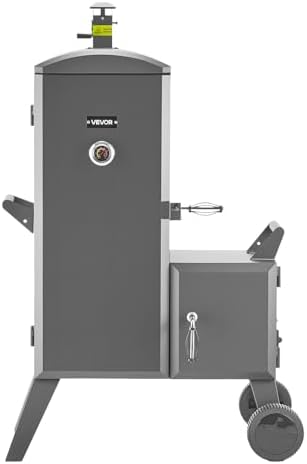
📦 Best for High-Volume Batches
A larger-capacity smoker built for processing multiple cuts, a full batch of sausage, or jerky in bulk during hunting season without running multiple back-to-back cooks.

Getting the Most From a New Smoker
New smokers benefit from a break-in run before the first real cook, which burns off manufacturing residue and lets you learn how the unit holds temperature in your specific climate and location. Keep a sharp boning knife nearby for trimming fat cap and silverskin before the meat goes on, since excess fat can cause flare-ups and uneven cooking.
Once meat comes off the smoker, cooling and storage decide how long that work pays off. Cool smoked meat promptly, then package it for the freezer with a vacuum sealer to lock in flavor and slow freezer burn, storing larger batches in a dedicated chest freezer rather than crowding a kitchen freezer.
Common Mistakes to Avoid
- Trusting the built-in chamber gauge for meat temperature. It measures air, not the meat itself.
- Skipping the break-in run. A new smoker’s first cook is a poor time to also learn how it holds heat.
- Opening the lid too often. Every peek lets heat and smoke escape and extends the total cook time.
- Underestimating offset smoker attention. Fire management on an offset unit is a skill that takes real practice, not a set-and-forget task.
- Not accounting for weather. Wind and cold both affect how long a cook takes and how much fuel it uses, especially on charcoal and offset units.
Where to Go From Here
A smoker is one piece of a larger meat processing setup. Our meat thermometer guide covers the tool that keeps every smoked cut safe, and our knife sharpener guide covers the trimming and breakdown work that happens before anything goes on the smoker.
Frequently Asked Questions
What is the easiest smoker for a beginner? A pellet smoker is generally considered the most forgiving style, since a digital controller manages temperature automatically instead of requiring hands-on fire management.
Do I need a separate meat thermometer if my smoker has a built-in gauge? Yes. A smoker’s built-in gauge measures chamber air temperature, not the internal temperature of the meat, which is what actually determines doneness and safety.
What internal temperature is safe for smoked meat? The same USDA minimums apply regardless of cooking method: 145 degrees Fahrenheit for whole cuts of beef, pork, veal, and lamb, 160 degrees Fahrenheit for ground meats, and 165 degrees Fahrenheit for poultry. Confirm current guidance at fsis.usda.gov.
Is an offset smoker worth the extra effort? For processors who want the deepest traditional smoke flavor and enjoy hands-on fire management, many find it worthwhile. For anyone who wants consistent results with less attention, a pellet or electric smoker is the easier path.
How long does smoked meat last in the freezer? Properly cooled, packaged, and frozen at 0 degrees Fahrenheit or below, smoked meat is considered safe indefinitely by USDA, though quality declines gradually over time, especially without vacuum sealing.
Can I use the same smoker year-round? Most styles can, though cold weather extends cook times and increases fuel use, particularly for charcoal and offset units. Electric and pellet smokers with good insulation handle winter use more predictably.
The Bottom Line
The best smoker for most home meat processors is a pellet smoker with digital temperature control, or an electric smoker for the least hands-on approach. Offset smokers reward practice with deeper flavor for those willing to manage fire directly. Whatever style you choose, pair it with a dedicated meat thermometer and confirm doneness by internal temperature, not chamber gauges or guesswork.