Last updated: August 16, 2026
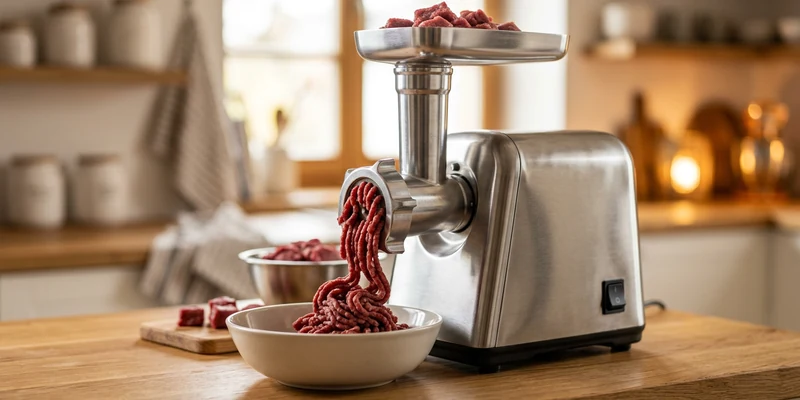
A meat grinder is the tool that turns trim, tougher cuts, and whole venison shoulders into ground meat, burger, and the base for homemade sausage. Grinding at home also gives you control over fat ratio and freshness that store-bought ground meat cannot match, which is why it is often the first serious piece of equipment a home meat processor adds after a good knife set.
This guide covers the grinder styles worth knowing, the specifications that matter most, and how grinding fits safely into the rest of a home processing routine.
This article contains affiliate links. If you buy through them, we may earn a commission at no extra cost to you.
Quick Answer
Which meat grinder should you buy?
- For regular home use, a dedicated electric meat grinder from an established brand like LEM or Weston handles volume without straining a motor built for other kitchen tasks.
- If you already own a stand mixer and grind occasionally, a kitchenaid meat grinder attachment is a lower-cost way to get started before committing to a standalone machine.
- If you process large volumes at once, whole deer, hogs, or bulk beef orders, step up to a commercial meat grinder built for sustained heavy use.
Note: whatever you buy, cook ground meat to USDA’s 160 degree Fahrenheit minimum, higher than the target for whole cuts, since grinding spreads any surface bacteria through the meat.
What to Check Before You Buy
Grinders vary enormously in power and build quality, and the right choice depends heavily on how much meat you actually process in a session.
| What to check | Why it matters | What to look for |
|---|---|---|
| Motor power | Underpowered motors bog down or overheat on tougher cuts | The manufacturer’s listed rating, matched to your typical batch size and cut toughness |
| Grinder head material | Plastic heads flex and wear faster than metal under real use | A metal grinding head and auger, not plastic components in the cutting path |
| Plate and blade set | Different grinds, coarse for chili, fine for sausage, need different plates | Multiple included plates, and availability of replacement plates and blades |
| Manual vs electric | Speed and volume trade off against cost and simplicity | Electric for regular or large-batch use, manual for occasional small batches |
| Attachment vs standalone | A stand mixer attachment shares a motor built for other jobs | A standalone grinder if you process meat often or in real volume |
| Reverse function | Sinew and gristle can jam a grinder mid-batch | A reverse setting to clear jams without disassembling the whole unit |
Standalone Grinders, Attachments, and Commercial Units
A standalone electric meat grinder is a dedicated machine built specifically for grinding, with a motor sized for the job and a metal head that stays cool under sustained use. This is the right category for anyone who grinds regularly, whether that means weekly burger batches or a big processing day after a hunt.
A kitchenaid meat grinder attachment turns an existing stand mixer into a grinder, which is an appealing lower-cost entry point since it uses equipment you may already own. The tradeoff is that a stand mixer’s motor was designed for dough and batter, not continuous grinding resistance, so attachments work best for smaller, occasional batches rather than a full deer’s worth of meat in one session. A commercial meat grinder sits at the top of the range, built for sustained output and heavier feed volume, and makes sense for anyone processing multiple animals or large bulk orders in a single session.
Grinding Safely: Temperature and Cross-Contamination
Keep meat cold throughout grinding, ideally chilled close to freezing without actually freezing solid, since cold meat grinds cleaner and stays out of the temperature danger zone longer during the process. Grinding spreads any bacteria present on the meat’s surface throughout the resulting ground product, which is exactly why USDA’s minimum safe internal temperature for ground beef, pork, lamb, and veal is 160 degrees Fahrenheit, higher than the 145 degree target for whole cuts. Our meat thermometer guide covers how to confirm that temperature reliably.
Clean the grinder head, auger, plates, and blade thoroughly between different types of meat, and keep a sharp boning knife nearby for trimming silverskin and connective tissue before anything goes into the hopper, since tough tissue is what jams a grinder mid-batch.
Our Top Picks at a Glance
How we chose: we compared widely available grinders on motor durability, head material, and how consistently owners report reliable performance across repeated grinding sessions. Selections lean on manufacturer specifications and recurring themes in customer feedback rather than any hands-on trial of our own.
🏆 Best Overall
A standalone electric meat grinder from LEM, built with a metal head and multiple plates for everyday home processing volume.

⭐ Upgrade Pick
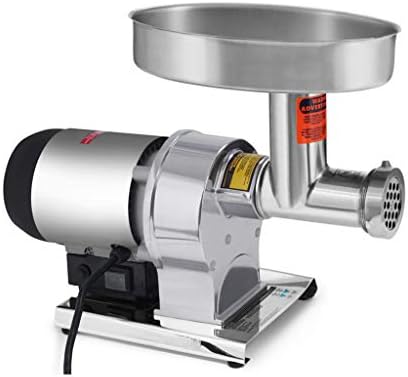
A heavier-duty electric grinder from Weston, suited to bigger batches and tougher cuts without straining the motor.
💛 Best Value
A kitchenaid meat grinder attachment for stand mixer owners who grind occasionally and want to try it before buying a standalone machine.

Picks by Situation: Manual and Commercial Volume
Two more situations call for a different kind of grinder than the all-purpose picks above.
✋ Best Manual
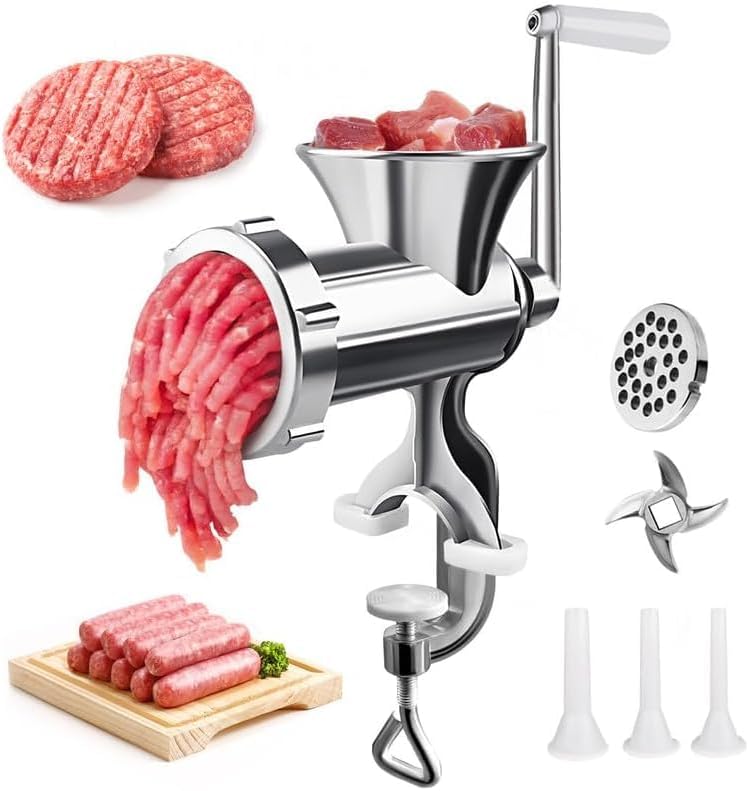
A hand-crank manual meat grinder for occasional small batches, off-grid setups, or as a reliable backup when power is not available.
🏭 Best for High Volume
A commercial meat grinder built for sustained heavy feed, the right choice for processing multiple animals or large bulk orders in one session.

After Grinding: Storage and Next Steps
Ground meat has more surface area exposed to air than a whole cut, which means it is more vulnerable to freezer burn and should be packaged promptly. Portion it into workable amounts and seal it with a vacuum sealer before it goes into the freezer, rather than leaving it loosely wrapped.
If you are grinding a large batch, store the finished product in a dedicated chest freezer rather than crowding a kitchen freezer, and label everything with the date and cut, since ground meat from different sessions is easy to mix up once it is frozen.
Common Mistakes to Avoid
- Grinding warm or room-temperature meat. Cold meat grinds more cleanly and stays safer during the process.
- Overloading a stand mixer attachment. Attachments are built for occasional use, not full processing-day volume.
- Skipping the reverse function when a jam happens. Forcing a jammed grinder can strain or damage the motor.
- Not cleaning between meat types. Cross-contamination risk goes up when a grinder head is not fully cleaned between batches.
- Assuming any grind is fully cooked-safe below 160 degrees. Ground meat needs a higher safe temperature than whole cuts because grinding spreads surface bacteria throughout.
Where to Go From Here
Grinding is usually one step in a longer processing day. Keep your knife sharpener handy for trimming before grinding, and have your vacuum sealer ready for right after, so meat spends as little time as possible between the grinder and the freezer.
Frequently Asked Questions
Is an electric meat grinder better than a manual one? For regular or large-volume grinding, yes, an electric meat grinder saves significant time and effort. A manual grinder still works well for occasional small batches or as a backup option.
Can I use a KitchenAid attachment instead of a standalone grinder? For light, occasional grinding, a kitchenaid meat grinder attachment is a reasonable lower-cost option. For regular or high-volume processing, a standalone motor built specifically for grinding holds up better.
What temperature should ground meat reach when cooked? USDA guidance calls for ground beef, pork, lamb, and veal to reach 160 degrees Fahrenheit internally, higher than the 145 degree target for whole cuts, because grinding distributes surface bacteria throughout the meat.
How cold should meat be before grinding? Meat that is well chilled, close to freezing without being frozen solid, grinds more cleanly and stays out of unsafe temperature ranges longer during processing.
What is the difference between a home and commercial meat grinder? Commercial models are built for sustained heavy feed and larger batches without overheating, while home grinders are sized for regular but smaller-volume use.
Do I need multiple grinding plates? Different plates produce different grinds, coarser for chili or bulk sausage, finer for burger and standard ground meat, so having more than one plate adds real versatility.
The Bottom Line
The best meat grinder for most home processors is a standalone electric model with a metal head and multiple plates, from an established brand like LEM or Weston. A kitchenaid meat grinder attachment works for occasional light use, and a commercial meat grinder makes sense once volume grows. Whatever you choose, keep meat cold while grinding, clean thoroughly between batches, and cook ground meat to USDA’s 160 degree minimum.