Last updated: August 16, 2026
Freezer burn is the grayish, dried out patch that shows up on meat after too long in the freezer, and the most important thing to know about it is also the most reassuring: it is a quality problem, not a safety one. That single distinction settles most of the anxiety people bring to this topic, but it still leaves real questions about why it happens and how to actually prevent it.
This guide explains what causes freezer burn, whether freezer burned meat is safe to eat, and the packaging habits that keep it from happening in the first place.
Quick Answer
What is freezer burn and is it safe to eat?
- Freezer burn happens when air reaches the surface of frozen food, drying it out and leaving grayish-brown, leathery patches.
- USDA guidance treats it as a quality issue, not a food safety issue. Freezer burned meat remains safe to eat.
- The fix for eating quality is simple: trim away the affected spots before or after cooking, and the rest of the food is unaffected.
- Airtight packaging, whether vacuum sealing or tightly wrapped freezer paper, is what actually prevents it from happening.
Freezer Burn Prevention by Storage Method
Some packaging methods resist freezer burn far better than others. This table compares the common options.
| Method | How well it prevents freezer burn | Notes |
|---|---|---|
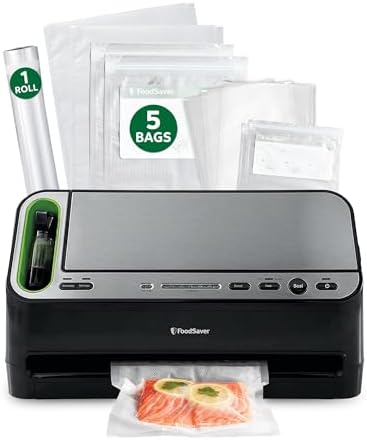
| Vacuum sealing | Very well | Removes nearly all the air in contact with the meat’s surface, the main cause of freezer burn |
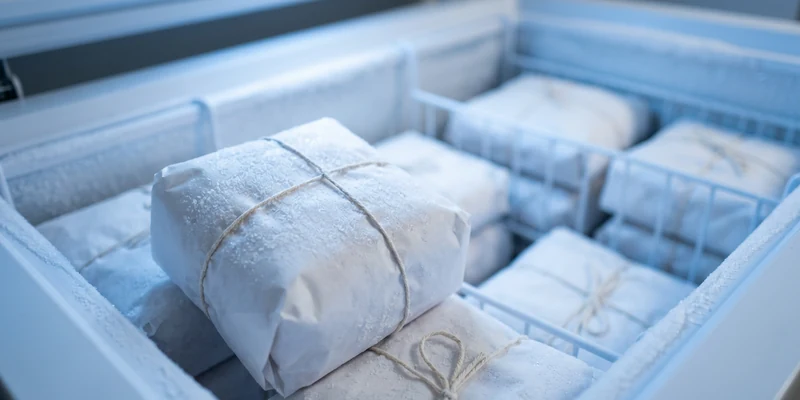
| Freezer paper, wrapped tightly | Well | Traditional butcher method; effectiveness depends on eliminating air pockets at the wrap |
| Heavy-duty freezer bags, air pressed out | Moderate to well | Works if you actively press out air before sealing, not just close the bag |
| Original grocery store packaging | Poor for long-term storage | Thin film is not designed for months in the freezer and is a common source of early freezer burn |
| Loose or partially open bags | Very poor | The most common cause of visible freezer burn within weeks |
What Actually Causes Freezer Burn
Freezer burn is caused by air reaching the surface of frozen food. Once that happens, moisture at the surface sublimates, meaning it moves directly from ice to water vapor without passing through a liquid stage, and escapes into the surrounding air inside the packaging or freezer. What is left behind is a dehydrated patch that looks grayish-brown and feels dry and leathery compared to the rest of the meat, because that specific area has genuinely lost water content that the rest has not.
This is a physical process, not spoilage in the bacterial sense, which is exactly why the food safety picture is different from something like thawed meat left out too long. The freezer temperature is still doing its job of preventing bacterial growth; the affected spot has simply dried out from air exposure.
Is Freezer Burned Meat Safe to Eat?
Yes. USDA guidance is direct on this point: freezer burn is a quality issue, and food affected by it remains safe to eat. The recommended approach is to cut away the freezer burned portions, either before or after cooking, since that dried out section will be tougher and blander than the rest of the meat, and the unaffected portion cooks and tastes normally.
This means you do not need to throw out an entire roast or package of ground beef because of a freezer burned patch on one corner. Trim generously around the affected area, and treat the rest as you normally would.
How Long Meat Actually Lasts in the Freezer
Meat kept continuously frozen at 0°F stays safe to eat indefinitely, according to USDA guidance, which is a separate question from how long it stays at peak quality. For quality, ground beef is generally best used within about four months, while steaks and roasts hold up well for roughly four to twelve months depending on the cut and how well it is packaged. Those windows are quality recommendations, not safety cutoffs, and freezer burn is the main reason quality declines faster than the “safe indefinitely” number suggests.
Vacuum sealing tends to push actual usable quality toward the longer end of those ranges, since it removes the air that drives both freezer burn and the slower oxidation that dulls flavor over time. If you are stocking a freezer with a large amount of meat at once, our guide on buying a half cow covers the packaging and space planning that comes with that kind of bulk purchase.
Preventing It Before It Starts
The core principle behind every effective prevention method is the same: keep air away from the meat’s surface. Vacuum sealing does this most thoroughly, which is why it has become the standard for anyone freezing meat in bulk or for extended periods. Tightly wrapped freezer paper, applied so there are no gaps or air pockets, is the traditional alternative and still works well when done carefully, especially for cuts you plan to use within a few months.
Double-wrapping matters more than people expect. A single layer of thin plastic wrap or the original store packaging is rarely airtight enough for anything beyond a few weeks in the freezer, and pressing extra air out of a standard freezer bag before sealing it makes a meaningful difference even without investing in a vacuum sealer.
Bag quality matters as much as the machine. Thin bags let air creep back in over a long storage season, so pairing a sealer with the right vacuum sealer bags does more against freezer burn than upgrading the sealer alone.

Why Freezer Temperature Consistency Matters
Freezer burn doesn’t only happen because of poor packaging; temperature swings inside the freezer itself make it worse. Every time a freezer door opens, or a frost-free freezer runs its automatic defrost cycle, the air inside warms slightly and the surface of frozen food can partially thaw at a microscopic level before refreezing. That repeated freeze-thaw cycling at the surface accelerates moisture loss even inside otherwise decent packaging, which is part of why food stored near the door or in a freezer that gets opened constantly tends to freezer burn faster than food in a rarely-disturbed chest freezer.
Keeping a dedicated meat freezer set to a consistent 0°F or below, and limiting how often and how long it stays open, helps on top of good packaging. This matters even more for a large bulk order, since a freezer packed full of meat for months benefits from staying as undisturbed as possible compared to a kitchen freezer in daily use.
Format plays into this too. Chest freezers hold a steadier temperature than upright models because less cold air spills out every time the door opens, which is one of the trade-offs covered in our deep freezer comparison.
Common Mistakes That Lead to Freezer Burn
- Freezing meat in its original grocery packaging long term. That thin film is built for the refrigerator case, not months in a freezer.
- Leaving air pockets in freezer bags. Press the bag flat and push out excess air before sealing, or the trapped air will do exactly what it does everywhere else.
- Overpacking a chest freezer so air can’t circulate. Airflow around packages helps maintain a consistent temperature, which indirectly supports better preservation.
- Throwing out meat at the first sign of freezer burn. Trimming the affected area is enough; the rest of the food remains safe and usable.
- Refreezing meat that has fully thawed without cooking it first. This is a separate safety consideration from freezer burn and deserves its own caution, particularly for texture and quality on the second freeze.
Frequently Asked Questions
What is freezer burn? It is dehydration at the surface of frozen food caused by air exposure, which leaves grayish-brown, dry, leathery patches. It is a physical quality change, not bacterial spoilage.
Is freezer burn bad for you? No. USDA guidance treats freezer burn as a quality issue rather than a safety issue, so freezer burned food remains safe to eat.
Can you eat freezer burn food? Yes. Trim away the affected, dried out portions before or after cooking, and the rest of the meat is unaffected and safe.
How to stop freezer burn from happening? Keep air away from the meat’s surface through vacuum sealing or tightly wrapped freezer paper, and avoid long-term storage in thin original packaging.
How long does meat last in the freezer before quality drops? Ground beef is best within about four months, while steaks and roasts hold quality for roughly four to twelve months, though the meat itself stays safe well beyond those windows if kept continuously frozen.
Does vacuum sealing really prevent freezer burn? Yes, and quite effectively, since it removes nearly all the air in contact with the meat’s surface, the main driver of freezer burn in the first place.
Does opening the freezer often make freezer burn worse? Yes. Frequent door openings and automatic defrost cycles cause small temperature swings that add up over time, which is part of why a rarely-disturbed chest freezer tends to hold quality better than a freezer in constant daily use.
The Bottom Line
Freezer burn is a quality issue, not a food safety one, and freezer burned meat remains safe to eat once you trim away the dried out portion. Prevent it by keeping air off the meat’s surface through vacuum sealing or tight freezer paper, and treat the windows for peak quality as guidelines, not deadlines.
See prevention methods compared